
🎙️ You Are NOT Your Dissertation
By: Derek Jansen (MBA) and Ethar Al-Saraf (PhD) | Updated March 2025


If you’ve been losing sleep over your dissertation, we’re here to help bring some perspective – and, hopefully – some calm! In this episode of the Grad Coach podcast, we’ll shed light on why your project might not be as much of a colossal undertaking as it seems. So, grab a cup of coffee and let’s dive in.
Let’s get some perspective.
First up, let’s address the elephant in the room—your dissertation or thesis isn’t likely to change the world, and guess what? That’s perfectly okay. The aim of your dissertation isn’t to turn your field on its head but to show you can conduct detailed, rigorous research. Instead, the true goal is far more humble (and manageable). That is, to meet the specific criteria set out by your university. Sure, the standard is high – but it’s not world-changing-level high.
Revolutionary vs Rigorous
Now, it’s easy to get caught up in the idea that your work must be revolutionary. However, the reality is typically much more grounded. At its core, your dissertation should be a well-structured investigation of a specific research problem, demonstrating your ability to identify and investigate a research gap. This isn’t about crafting a Nobel Prize-winning theory. It’s simply about fulfilling the academic requirements that pave the way to your degree.
Career Shaper?
Moving on, it’s vital to understand the role of your dissertation in terms of its real impact on your career. For the vast majority, this single document won’t define their professional trajectory. Instead, it’s a stepping stone that equips you with skills and insights, laying a foundation for future achievements.
Whether you’re aiming for a career in academia or the corporate world, the experiences you gain here will serve you long after graduation. Which leads us to our next point.
The True Value
Perhaps the most significant aspect of your dissertation journey isn’t the final product but the process itself. Specifically, the dissertation journey is rich with opportunities to hone skills like critical thinking, resilience, and effective communication. Ultimately, these are the real prizes that will stand you in good stead throughout your career. So, while it sounds terribly cliched, the real value of the dissertation lies in the journey, not the destination.
Deep Breaths…
To wrap up, remember that your dissertation is just one part of a much broader academic and professional journey. It’s not the pinnacle of your career but one of many important steps. So, take a deep breath, focus on the requirements, and let the process of research and writing be a growth experience, not just an academic exercise.
I didn’t know if I was good enough.
See how Kelsee went from lost and confused to conquering her PhD.Don't Stop Now - There's More ✨

I’ve Found My Research Gap – Now What?
Once you’ve identified your topic and research gap, the real work begins. Learn the systematic steps to outline your dissertation, tackle your literature review, and create a roadmap to completion.

How Do I Get My Dissertation Back on Track?
Life happens. When it derails your dissertation schedule, here’s how to recover and rebuild momentum without the guilt.
How Do I Get Started With Chapter One?
Feeling overwhelmed starting your dissertation chapter 1? Learn the strategic order to tackle your content and build momentum from day one.
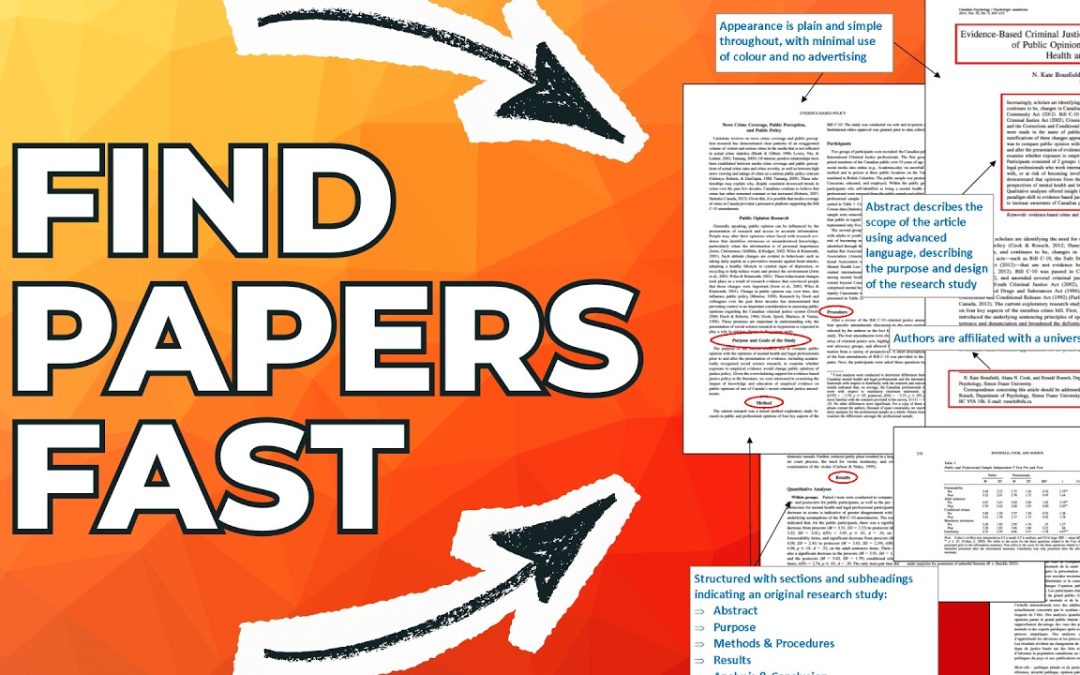
How Do I Find Foundational (Seminal) Papers For My Literature Review?
Discover practical strategies to identify seminal papers in your research field without reading hundreds of articles. Learn which tools and resources work best.

I’m Completely Overwhelmed By My Dissertation. What Should I Do?
Feeling overwhelmed by your dissertation? Learn how to diagnose the root cause of your stress and take practical steps to refocus and move forward.
0 Comments