
What’s The Difference?


The 1-Minute Answer
Each service has a different focus and serves a different purpose:
The content review service focuses on the overall research quality, core arguments, methodology and structure. In other words, it focuses on the content.
The language editing and proofreading service focuses on the correct use of English language (spelling, grammar, punctuation, etc.) and formatting of citations and references. In other words, it focuses on presentation.
Both of these aspects are important, so these two services go hand in hand. However, they do take place at different stages – content review takes place throughout the writing process, whereas editing and proofreading takes place at the end of the writing process.

Which service should I use?
It depends on what stage you’re at and what you need help with.
If you’re still in the early stages of writing up and want to make sure your core content is on point, your design is justified and your structure is appropriate, the content review service is the best option.
Conversely, if you’ve completed your writing and just want a final polish to ensure the presentation, formatting and referencing are aligned with your university’s requirements, the language editing service would be more suitable.
Keep in mind that you should never submit your work without first thoroughly editing and proofreading your document (whether you do it yourself or have someone else handle it). There’s no quicker way to annoy a marker than to have typos and referencing errors in your document.
Where can I get more info?
You can get detailed information about each service on the following pages:
I’m still not sure…
If you’re unsure or have more questions about either service, feel free to get in touch.
Don't Stop Now - There's More ✨

I’ve Found My Research Gap – Now What?
Once you’ve identified your topic and research gap, the real work begins. Learn the systematic steps to outline your dissertation, tackle your literature review, and create a roadmap to completion.

How Do I Get My Dissertation Back on Track?
Life happens. When it derails your dissertation schedule, here’s how to recover and rebuild momentum without the guilt.
How Do I Get Started With Chapter One?
Feeling overwhelmed starting your dissertation chapter 1? Learn the strategic order to tackle your content and build momentum from day one.
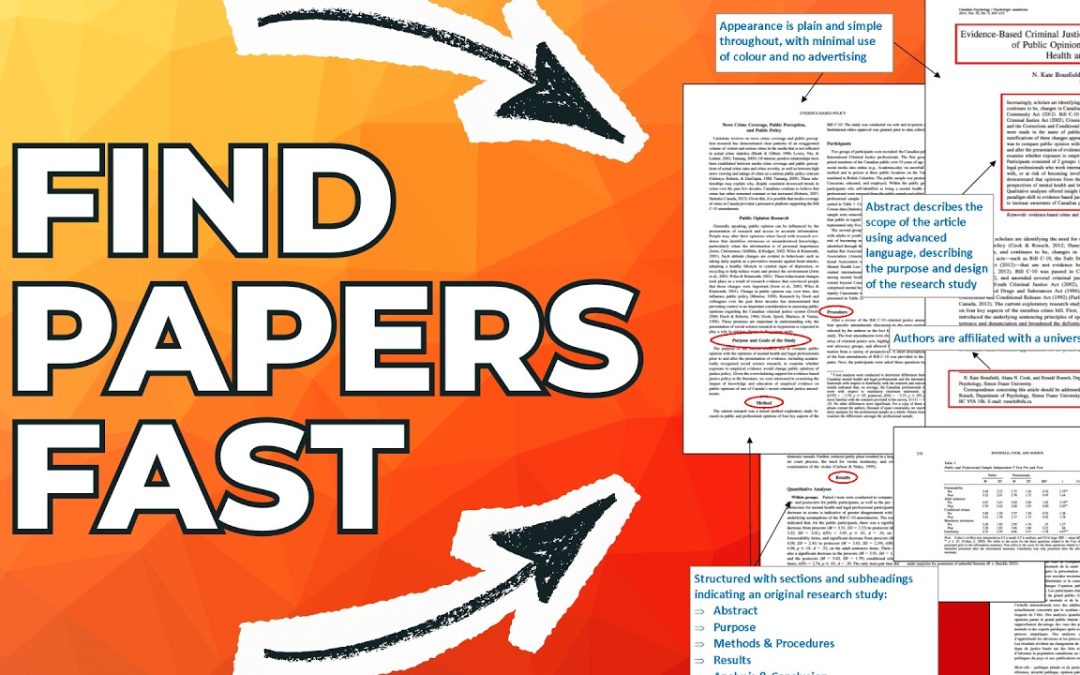
How Do I Find Foundational (Seminal) Papers For My Literature Review?
Discover practical strategies to identify seminal papers in your research field without reading hundreds of articles. Learn which tools and resources work best.
I’m Completely Overwhelmed By My Dissertation. What Should I Do?
Feeling overwhelmed by your dissertation? Learn how to diagnose the root cause of your stress and take practical steps to refocus and move forward.
0 Comments